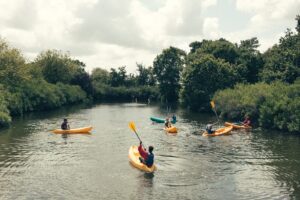
Kayaking Up North Is The Best!
Northern Michigan has many varied settings for kayaking- whether it by river, one of the inland lakes, or Lake Michigan,

Photo by Karl Damus on Unsplash.com
There are many signs that spring is unfolding into summer and one sign is when the trillium bloom. These protected wild orchids are a wild flower. There are up to 50 species of trillium and in Michigan, the most common species is the trillium grandiflorium or large flowered trillium.
In Northern Michigan, late April through mid-May is trillium season. The woods explode with a carpet of trillium and create an incredible landscape that exists only for these few weeks. When the first trillium bloom, there is an excitement in Northern Michigan as within a few days, the woods will contain thousands and thousands of these spectacular flowers.
Take a drive along M-119, the Tunnel of Trees, from Harbor Springs to Cross Village where the geography couldn’t be more perfect for trillium viewing. Or drive The Breezeway from Boyne Falls to Atwood and see an explosion of trillium in the woods.
Picking trillium is discouraged because the three leaves below the flower are the plant’s sole food source. Five varieties of trillium are endangered but not the most common white trillium. Love trillium? You can take home trillium art. Boyer Glassworks creates one-of-a-kind trillium paperweights.

Northern Michigan has many varied settings for kayaking- whether it by river, one of the inland lakes, or Lake Michigan,
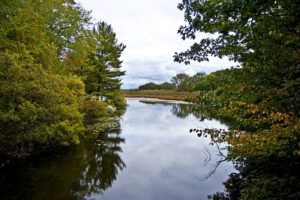
This Inland Waterway covers 38.2 miles from outside of Petoskey to Cheboygan. Find state parks, fishing, swimming, and more along the way.

Visit the Deer Park in Harbor Springs to see deer up close. Fun for the entire family.
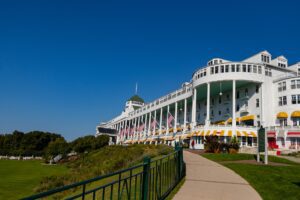
The majestic and historic Grand Hotel is one of the first sights visitors see as they head into the harbor on Mackinac Island.
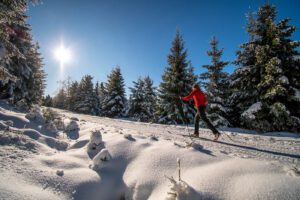
With woods, dunes, and frozen lakes, the trails near Charlevoix and Boyne City are the places to cross country ski from December-March.

The National Shrine of the Cross in the Woods is a 55′ x 22′ redwood cross cut from one redwood tree and with a 28′ tall bronze crucifix.